 Pусский
 Deutsch
 العربية
 Tiếng Việt

What can we help you find today?

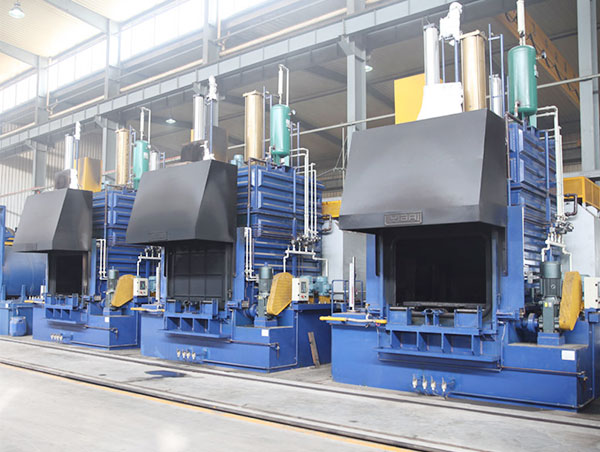
**Environmental Benefits of Heat treatment Multi-purpose furnaces**
**Introduction**
Heat treatment multi-purpose furnaces are essential in various industries, including aerospace, automotive, manufacturing, and metallurgy. These furnaces are designed to perform multiple heat treatment processes such as annealing, hardening, tempering, and stress relieving. Beyond their industrial advantages, these furnaces offer significant environmental benefits, contributing to sustainability and reduced ecological impact. This article explores the key environmental benefits of heat treatment multi-purpose furnaces, including energy efficiency, reduced emissions, waste minimization, and compliance with environmental regulations.
**1. Energy Efficiency and Reduced Carbon Footprint**
One of the most significant environmental benefits of modern heat treatment multi-purpose furnaces is their improved energy efficiency. Traditional furnaces often consume excessive amounts of energy due to poor insulation and inefficient heating mechanisms. In contrast, advanced multi-purpose furnaces incorporate several energy-saving features:
**a. Advanced Insulation Materials**
Modern furnaces use high-performance insulation materials such as ceramic fiber and refractory bricks, which minimize heat loss. This reduces the energy required to maintain high temperatures, leading to lower fuel or electricity consumption.
**b. Recuperative and Regenerative Burners**
Some multi-purpose furnaces utilize recuperative or regenerative burners that recover waste heat from exhaust gases and reuse it to preheat incoming combustion air. This technology can improve thermal efficiency by up to 30%, significantly reducing energy consumption.
**c. Precise Temperature Control**
Automated control systems ensure optimal heating cycles, preventing overheating and unnecessary energy waste. By maintaining exact temperature profiles, these furnaces minimize energy usage while ensuring consistent product quality.
**d. Reduced Carbon Emissions**
Lower energy consumption directly translates to reduced greenhouse gas emissions, particularly in furnaces powered by fossil fuels. Industries can thus lower their carbon footprint while maintaining high production standards.
**2. Reduced Emissions and Air Pollution**
Heat treatment processes can generate harmful emissions, including nitrogen oxides (NOx), carbon monoxide (CO), and volatile organic compounds (VOCs). Multi-purpose furnaces are designed to mitigate these emissions through advanced technologies:
**a. Low-NOx Burners**
Many modern furnaces incorporate low-NOx burners that reduce nitrogen oxide emissions by optimizing combustion efficiency. This helps industries comply with stringent air quality regulations.
**b. Exhaust Gas Treatment Systems**
Some multi-purpose furnaces are equipped with scrubbers or catalytic converters that treat exhaust gases before release, removing hazardous pollutants and minimizing environmental impact.
**c. Use of Cleaner Fuels**
Switching from coal or heavy oil to natural gas or electric heating reduces particulate matter and sulfur dioxide (SO₂) emissions, contributing to cleaner air quality.
**3. Waste Minimization and Resource Conservation**
Heat treatment multi-purpose furnaces contribute to waste reduction in several ways:
**a. Extended Equipment Lifespan**
By providing uniform heating and controlled cooling, these furnaces reduce thermal stress on metal components, minimizing material defects and scrap rates. This leads to less waste generation and lower demand for raw materials.
**b. Reduced Quenching Waste**
Traditional quenching processes often involve oil or water baths, which can become contaminated and require disposal. Advanced multi-purpose furnaces may use alternative quenching methods, such as gas or polymer quenching, which are more environmentally friendly.
**c. Recycling of Heat Treatment Byproducts**
Some furnaces allow for the recovery and reuse of quenching oils or other process fluids, reducing hazardous waste generation.
**4. Compliance with Environmental Regulations**
Governments and regulatory bodies worldwide impose strict environmental standards on industrial operations. Multi-purpose Heat treatment furnaces help industries meet these requirements by:
**a. Adhering to Emission Standards**
With built-in emission control systems, these furnaces ensure compliance with regulations such as the U.S. Environmental Protection Agency (EPA) standards or the European Union’s Industrial Emissions Directive (IED).
**b. Supporting Sustainable Manufacturing Initiatives**
Companies aiming for ISO 14001 certification (Environmental Management Systems) benefit from using energy-efficient and low-emission furnaces, demonstrating their commitment to sustainability.
**5. Reduced Water Consumption**
Traditional heat treatment processes, particularly quenching, often require large volumes of water. Multi-purpose furnaces reduce water usage by:
**a. Alternative Quenching Methods**
Gas or air quenching eliminates the need for water, conserving this vital resource.
**b. Closed-Loop Cooling Systems**
Some furnaces incorporate recirculating cooling systems that minimize water waste by reusing treated water.
**6. Noise Pollution Reduction**
industrial furnaces can contribute to noise pollution, but modern multi-purpose furnaces are designed with noise-dampening technologies, such as insulated casings and vibration-reducing components, making them more environmentally friendly in urban or noise-sensitive areas.
**Conclusion**
Heat treatment multi-purpose furnaces offer substantial environmental benefits, making them a sustainable choice for modern industries. Their energy-efficient designs, reduced emissions, waste minimization, and compliance with environmental regulations contribute to a greener manufacturing ecosystem. As industries continue to prioritize sustainability, the adoption of advanced heat treatment furnaces will play a crucial role in reducing environmental impact while maintaining high production efficiency. By investing in these technologies, companies can achieve both economic and ecological advantages, supporting a cleaner and more sustainable future.
This website uses cookies to ensure you get the best experience on our website.



 Whatsapp
 Phone
 E-mail
Comment
(0)